If you–
Feel constantly overwhelmed or behind?
Have race thoughts, irritability, or emotional numbness?
Have trouble sleeping or switching off?
Experience physical tension, headaches, or exhaustion?
Think “I should be fine, but I’m not” ?
Keep scrolling to learn more about what might be happening beneath the surface.
Some stress is normal and healthy. Chronic stress is a different story.
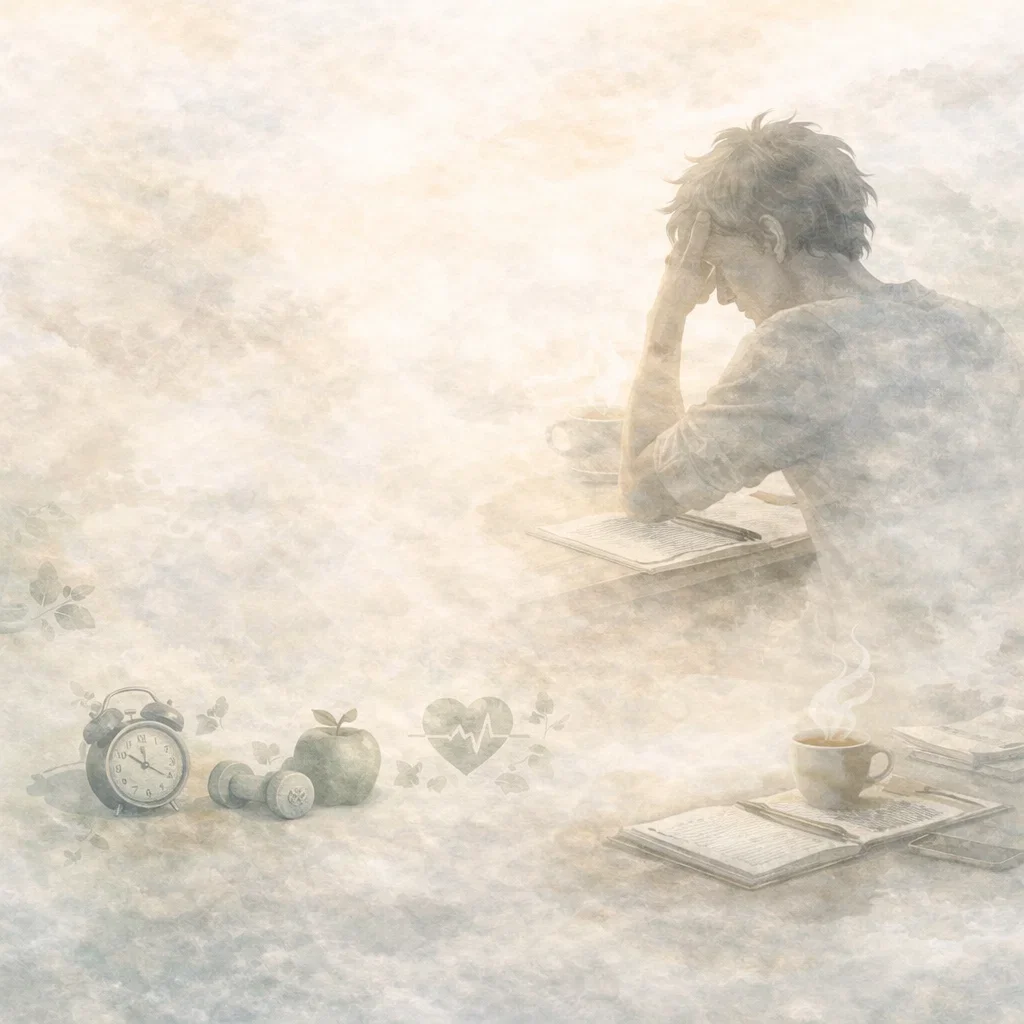
When does stress become a problem?
Stress is your body’s response to demand. In short bursts it helps you focus and perform. When it comes and goes throughout the day or week, stress is normal, and doesn’t create the risk of bigger problems.
It’s when stress doesn’t go away and settles into chronic stress that things can become concerning.
The challenge is that we’re faced with stressors every day, from every angle, such as:
Workload & pressure: deadlines, responsibility without control, constant urgency
Uncertainty & lack of safety: job insecurity, unclear expectations, financial stress
Emotional & relational strain: conflict, people-pleasing, caregiving, social overload
No recovery time: poor sleep, no boundaries, constant stimulation
The best move for avoiding chronic stress is to reduce your exposure to stressors.
If that’s not possible, then how you respond to stress becomes a major factor of whether or not a stressful period may lead into anxiety, depression, burnout, or other dysregulated stress problems.
Negative outcomes of dysregulated stress
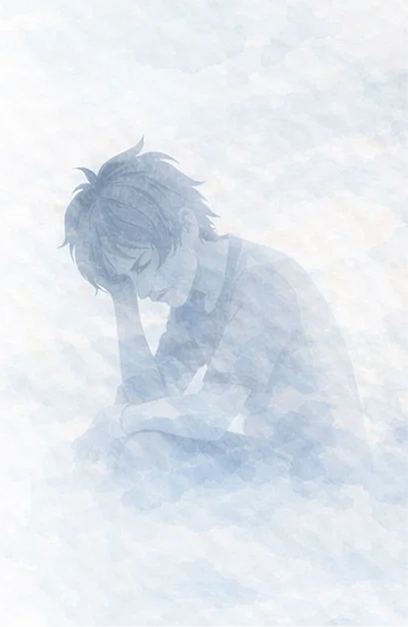
Anxiety
Persistent stress can keep your brain in threat-detection mode and spawn non-stop negative or fearful thoughts, and look like:
Racing thoughts or constant worry
Feeling on edge or restless
Trouble relaxing or sleeping
Overpreparing, checking, or seeking reassurance
Many people with anxiety aren’t “anxious people” — they’re people whose stress system learned to stay alert.
When stress takes over your mind
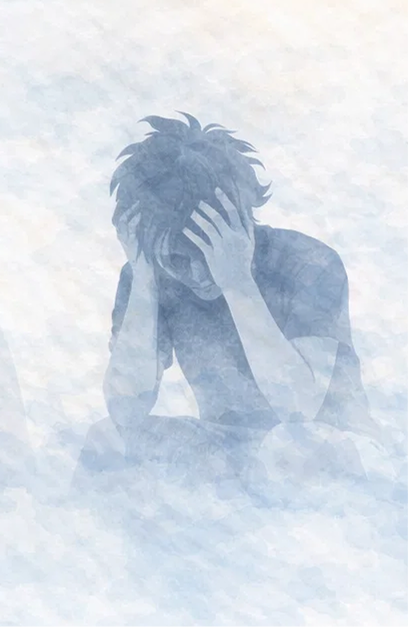
Depressive symptoms
Sometimes, prolonged stress can eventually cause an emotional shutdown or numbness, and look like:
Low energy or motivation
Feeling flat, numb, or disconnected
Loss of interest in things you used to care about
Avoidance or withdrawal
For many, depression isn’t a sudden drop — it’s the end result of carrying stress for too long without relief.
When stress drains away your energy
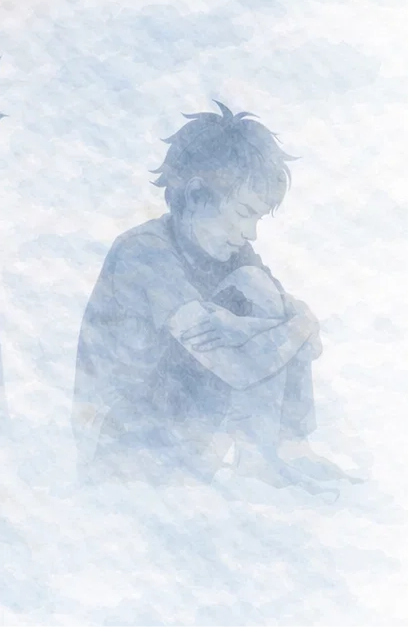
When stress has passed the danger level
Burnout
Chronic stress that’s not properly managed eventually becomes burnout, which can look like:
Long-lasting exhaustion or fatigue
Pessimism or anxious thoughts
Emotional emptiness or numbness
Persistent sleep issues and brain fog or cognitive issues
Burnout isn’t normal stress or tiredness — it’s when the duration or intensity of stress has climbed so high, that your mind and body begin to shut down.
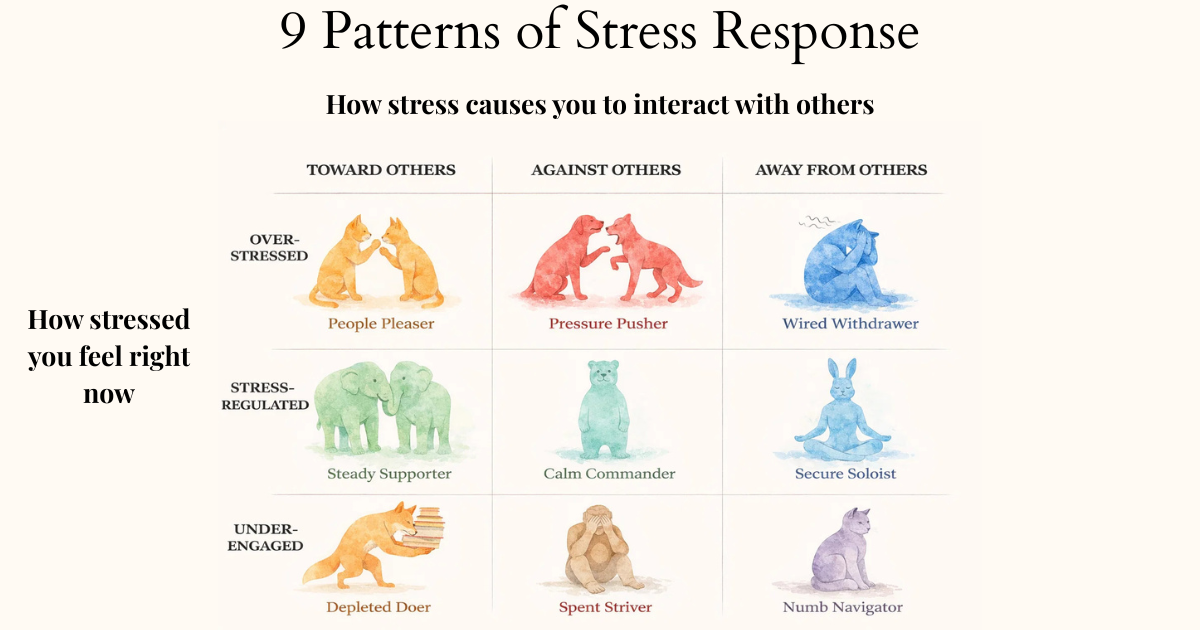
Stress isn’t just about what stresses you — it’s how you respond to it
For example, imagine that someone close to you is upset with you, but hasn't said why. Are you more likely to:
Wonder whether you did something wrong, and try to talk to them to find out if that’s true?
Get annoyed because they won't just say what's wrong, and confront about it?
Take notice there is a tension, but wait for them to bring it up.
Your answer to a question like this reveals a clue as to how you deal with stress.
A pattern emerges across a series of questions, about how you commonly respond to stress.
That pattern helps you understand how to prevent stress from getting out of hand.
Want to do something more?
If you are worried about rising stress but don’t know where to start, start by downloading Bonsai from the App Store.
Bonsai is a self-guided stress regulation app that provides information, tips, and tools that can help you prevent stress from turning into something worse.